Demystifying Your Wallet: A Casual Guide to How Credit Cards Work

Ever wondered what magic happens when you swipe, tap, or insert your credit card? You’re not alone! Many people use credit cards daily without fully understanding how credit cards work behind the scenes. But don’t worry, we’re here to break it down in a super easy, no-jargon way. Understanding the ins and outs of your plastic friend is key to using it wisely and making it work for you, not against you!
The Basics: What Happens When You Swipe?
At its core, a credit card is a convenient way to borrow money to make purchases, which you then pay back later. It’s essentially a short-term loan that renews constantly. But there’s a bit more to it than just that.
Your Credit Limit
When you get a credit card, your bank or financial institution sets a credit limit. This is the maximum amount of money you’re allowed to borrow. Every purchase you make reduces your available credit, and every payment you make restores it. Think of it like a revolving line of credit.
The Issuing Bank and Network
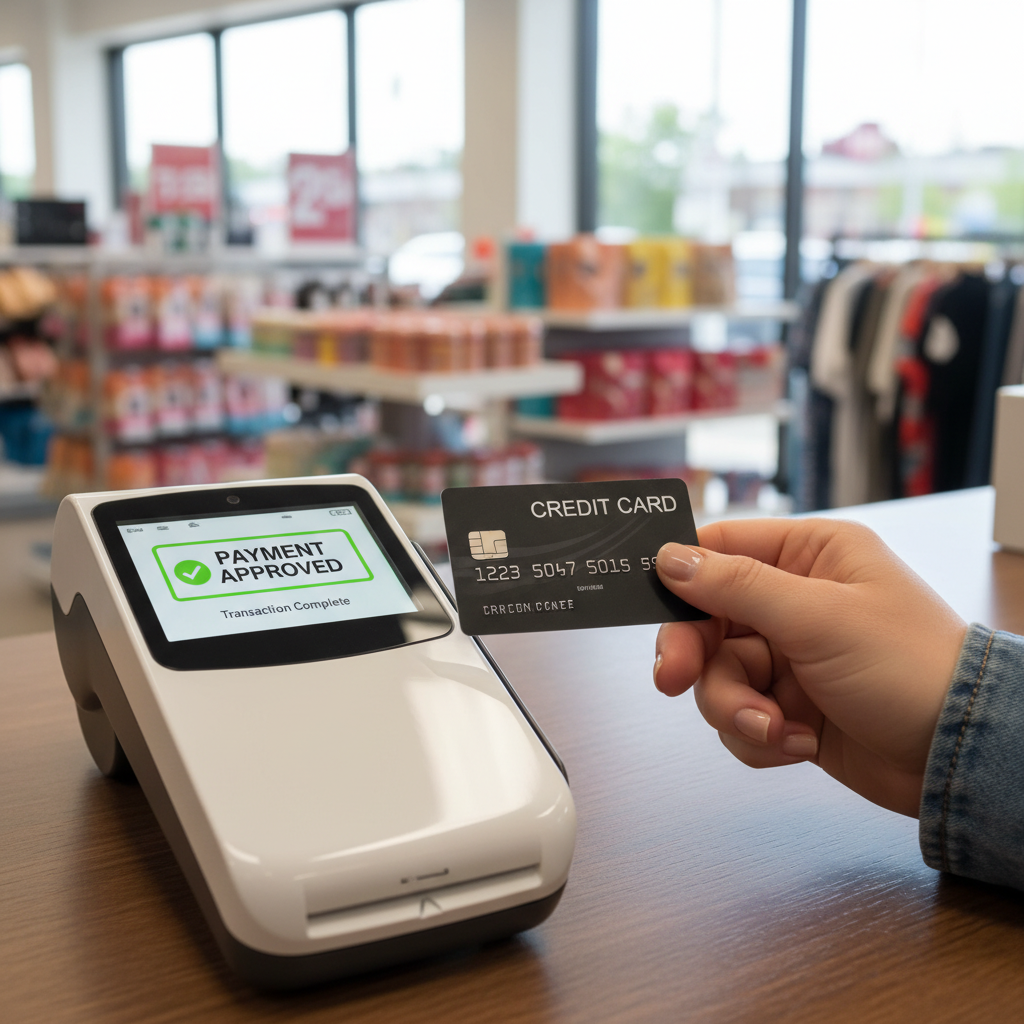
Your credit card is issued by a bank (like Chase, Citibank, or Capital One) and operates on a payment network (like Visa, MasterCard, American Express, or Discover). When you make a purchase, the merchant’s payment terminal communicates with their bank, which then contacts your card’s network. The network then talks to your issuing bank to approve or deny the transaction based on your credit limit and other factors.
Merchant and Processor
When you buy something, the merchant uses a payment processor (like Square, Stripe, or traditional merchant services) to handle the transaction. This processor ensures that the funds eventually move from your credit account to the merchant’s account. It’s a quick, intricate dance of data to get your purchase approved in seconds!
Understanding Your Credit Card Bill
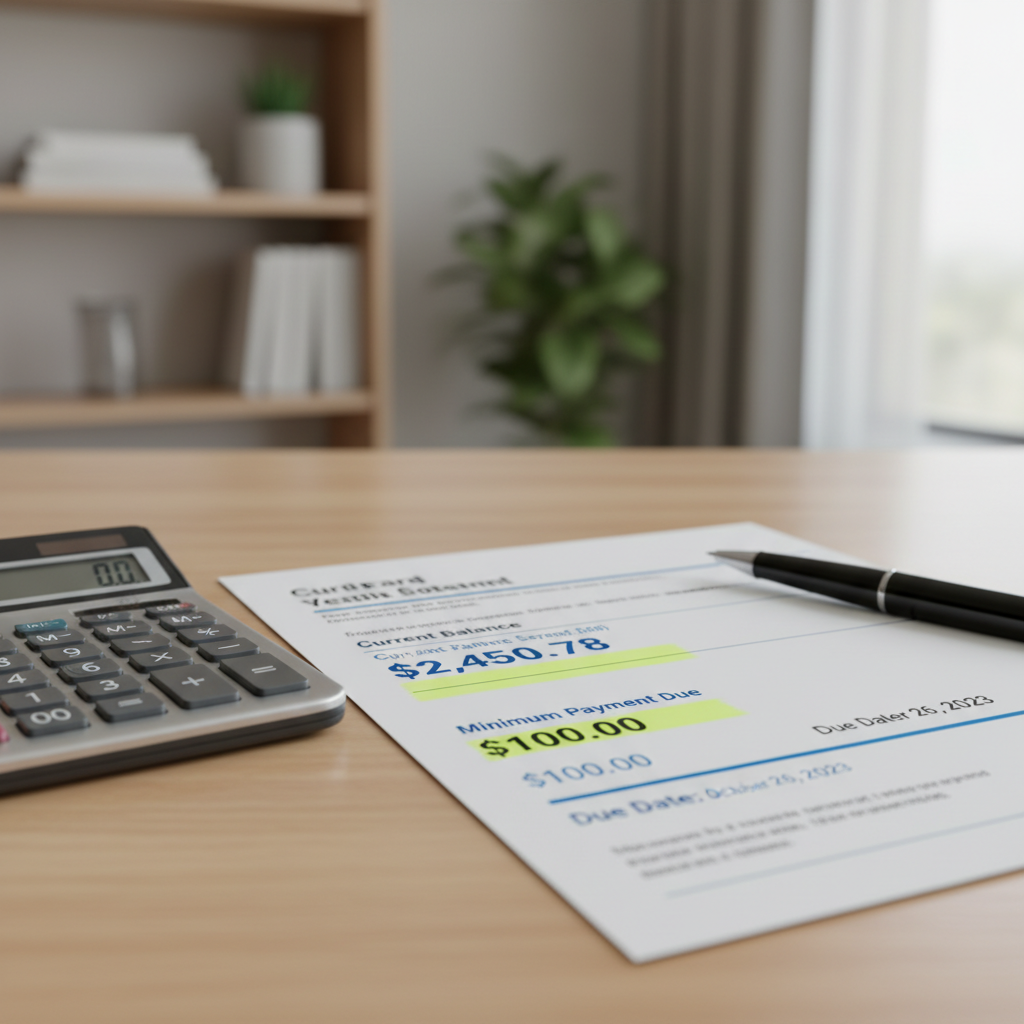
This is where the rubber meets the road. Your credit card statement provides a detailed summary of your spending and what you owe. Learning to read it is crucial for managing your finances effectively.
The Billing Cycle
A billing cycle (or statement period) is the period during which your transactions are recorded, usually lasting about 30 days. At the end of this cycle, your credit card company generates a statement showing all your purchases, payments, and any fees from that period. Your due date is typically 20-25 days after the billing cycle ends.
Interest Rates (APR)
If you don’t pay your full balance by the due date, you’ll likely be charged interest. This is the cost of borrowing money, expressed as an Annual Percentage Rate (APR). High APRs can make carrying a balance very expensive, so it’s always best to pay off your credit card bill in full if you can.
Minimum Payment vs. Full Payment
Your statement will always show a minimum payment due. This is the smallest amount you must pay to keep your account in good standing and avoid late fees. However, paying only the minimum means you’ll accrue interest on the remaining balance, making your purchases much more expensive over time. The best practice is to always pay your full statement balance.
Grace Period
Most credit cards offer a grace period, which is the time between the end of your billing cycle and your payment due date. If you pay your entire balance by the due date within this grace period, you won’t be charged interest on your new purchases. This is a huge benefit of credit cards!
Key Terms You Should Know
- Annual Fee: Some cards charge a yearly fee, often for premium rewards or benefits.
- Cash Advance: Using your credit card to get cash. This usually comes with high fees and immediate, higher interest charges.
- Balance Transfer: Moving debt from one credit card to another, often to take advantage of a lower introductory APR.
- Credit Score Impact: Responsible credit card use (paying on time, keeping balances low) builds a good credit score, which is essential for loans, mortgages, and more.
The Benefits (and Risks!)
Understanding how credit cards work also means knowing their potential. They offer incredible convenience and can be a powerful tool for building a strong credit history. Many cards offer rewards like cashback, travel points, or discounts. They also provide a level of fraud protection that debit cards might not.
However, the biggest risk is falling into debt. If you consistently carry a balance and only make minimum payments, high interest can quickly snowball, making it hard to get out from under. Late payments can also damage your credit score and incur hefty fees.
Conclusion
So there you have it! A casual breakdown of how credit cards work. They’re not just magical plastic; they’re financial tools that, when used responsibly, can offer great benefits. Pay your bills on time, try to pay your balance in full, and understand your card’s terms. With a little knowledge, you can master your credit card and use it to your financial advantage!